

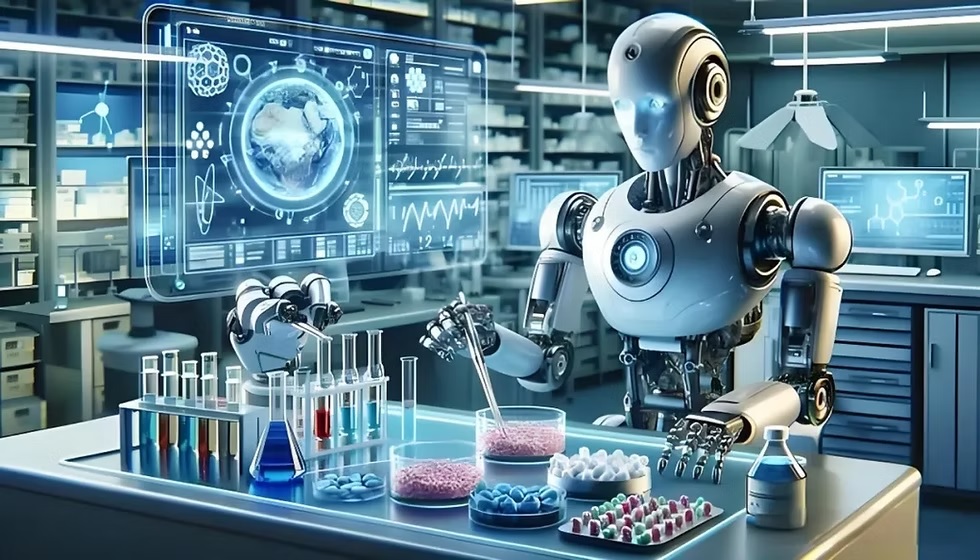
Artificial intelligence is steadily transforming pharmaceutical manufacturing through gradual, behind-the-scenes advancements. Rather than driving sudden disruption, its impact is seen in consistent improvements across processes. In an industry where accuracy, reliability, and regulatory compliance are essential, AI is becoming an integral part of maintaining performance and quality.
From early formulation to final packaging, pharmaceutical production involves a range of variables. Raw material consistency can fluctuate, environmental conditions must be tightly controlled, and human error remains a consideration. AI introduces greater stability by applying data-driven insights that improve predictability. Instead of replacing human involvement, it strengthens it, enabling more precise decisions and more dependable execution.
Improving Operations with Learning-Based Systems
AI differs from traditional automation in its ability to evolve. Rather than relying on static programming, these systems learn from data and continuously refine their performance. As new information is processed, AI becomes more accurate and responsive, allowing manufacturing environments to adapt more effectively.
This capability is particularly useful in process optimization and predictive maintenance. AI can identify early signs of equipment issues, allowing teams to address them before they lead to downtime. It can also monitor production conditions and make real-time adjustments to maintain consistency. These improvements help reduce waste, improve batch quality, and support uninterrupted operations.
AI also plays a growing role in supply chain management. By analyzing patterns across historical and real-time data, it helps forecast demand, identify potential shortages, and improve decision-making in complex logistics networks. These capabilities are increasingly becoming standard for organizations focused on efficiency and resilience.
Aligning Innovation with Regulatory Requirements
Pharmaceutical manufacturing operates within a highly regulated environment, where innovation must align with strict compliance standards. Balancing these priorities can be challenging, especially as new technologies are introduced.
AI helps bridge this gap by simplifying compliance processes. Tools such as natural language processing allow teams to quickly interpret complex regulatory information, while advanced tracking systems ensure transparency across all stages of production. This makes it easier for organizations to innovate while maintaining strong compliance practices.
As AI continues to advance, its role in pharmaceutical manufacturing will become even more deeply integrated. It represents a long-term shift toward more efficient, consistent, and reliable operations that will help shape the future of medicine.
For additional insight into how AI is redefining standards in pharmaceutical production, explore the visual guide below from Advanced Technology Services, a provider of industrial maintenance services.

Comments are closed.